
Health Benefits of Ceylon Cinnamon: Why It’s Called “True Cinnamon”
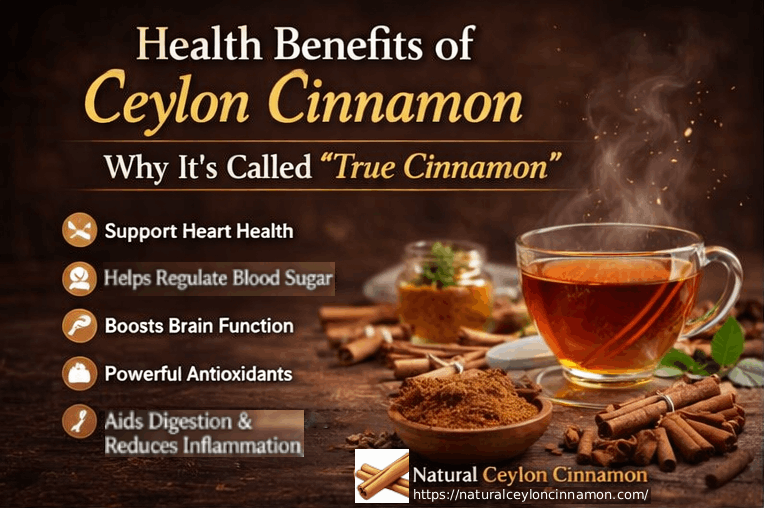
Ceylon Cinnamon, often referred to as the “true cinnamon,” is a fragrant spice that has been cherished for centuries—not just for its unique flavor but also for its impressive health benefits. Originating from Sri Lanka (formerly Ceylon), this premium cinnamon variety stands apart from the more common Cassia cinnamon due to its delicate aroma, subtle sweetness, and low coumarin content, making it safer for daily consumption. In this article, we will explore the science-backed health benefits of Ceylon Cinnamon, its unique properties, and practical tips for incorporating it into your daily routine.
What Makes Ceylon Cinnamon Unique?
Ceylon Cinnamon (Cinnamomum verum) is a tropical evergreen tree native to Sri Lanka. Unlike Cassia cinnamon, which is widely sold around the world, Ceylon Cinnamon has a thin, fragile bark that curls into soft quills when dried. Its flavor is sweet and mild, rather than sharp or pungent, which is why chefs and health enthusiasts prefer it.
One critical difference between the two varieties is coumarin content. Coumarin is a naturally occurring compound that, in large amounts, may harm the liver. Cassia cinnamon contains high levels of coumarin, whereas Ceylon Cinnamon has only trace amounts, making it much safer for regular use.
1. Blood Sugar Regulation
Several studies suggest that Ceylon Cinnamon may help regulate blood sugar levels. The active compounds in cinnamon, such as cinnamaldehyde, may improve insulin sensitivity, helping the body manage glucose more effectively.
For people with type 2 diabetes or prediabetes, incorporating Ceylon Cinnamon into meals or beverages can support blood sugar management. For example:
- Sprinkle it on oatmeal or smoothies.
- Stir it into coffee or tea.
- Use it in baking instead of sugar-heavy ingredients.
While cinnamon is not a replacement for medication, it can be a valuable addition to a balanced diet.
2. Antioxidant and Anti-Inflammatory Properties
Ceylon Cinnamon is packed with powerful antioxidants, which help fight free radicals in the body. Free radicals can damage cells and accelerate aging, so incorporating antioxidant-rich foods is essential for overall health.
Additionally, cinnamon has anti-inflammatory properties, which may help reduce chronic inflammation—a key factor in many diseases, including heart disease and arthritis. A simple daily intake of Ceylon Cinnamon can contribute to your overall wellness regimen.
3. Heart Health Benefits
Regular consumption of Ceylon Cinnamon may support heart health in several ways:
- Lowering cholesterol: Research shows it can reduce LDL (bad cholesterol) and triglycerides while maintaining or improving HDL (good cholesterol).
- Supporting blood pressure: Some studies suggest cinnamon may slightly reduce blood pressure, contributing to a healthier cardiovascular system.
Including Ceylon Cinnamon in your daily diet, combined with a healthy lifestyle, may have long-term benefits for heart health.
4. Antimicrobial and Immune Support
Cinnamon has natural antimicrobial properties, helping to fight bacteria, fungi, and viruses. Ceylon Cinnamon, in particular, contains compounds that can inhibit the growth of harmful microorganisms, making it useful for oral health, food preservation, and even minor infections.
Some traditional remedies suggest cinnamon tea or infusions to support immunity and relieve cold or flu symptoms.
5. Brain Function and Cognitive Health
Emerging research indicates that compounds in cinnamon may have neuroprotective effects. Regular consumption might improve cognitive function, memory, and attention, while potentially protecting against neurodegenerative diseases such as Alzheimer’s.
Adding Ceylon Cinnamon to your diet—whether in tea, coffee, or desserts—can be a flavorful way to support brain health over time.
How to Use Ceylon Cinnamon Safely
Even though Ceylon Cinnamon is safe for daily use, moderation is key. Here are some practical tips:
- Dosage: 1–2 teaspoons per day is generally considered safe for adults.
- Forms: Use it as sticks, powder, or even in tea blends.
- Cooking tips: Add at the end of cooking to preserve its aroma and nutrients.
Conclusion
Ceylon Cinnamon is more than just a spice—it’s a natural powerhouse with multiple health benefits, including blood sugar regulation, antioxidant protection, heart health support, antimicrobial effects, and potential cognitive enhancements. Unlike Cassia cinnamon, it is safe for long-term consumption due to its low coumarin content, making it a perfect addition to your daily wellness routine.
Whether sprinkled on your morning oatmeal, blended into a smoothie, or brewed into tea, Ceylon Cinnamon brings both flavor and health to your everyday life. By choosing the true cinnamon from Sri Lanka, you not only enjoy its premium taste but also embrace a centuries-old natural remedy with scientifically supported benefits.
We hope you enjoyed the article.
Our dream is to share this natural wonder freely, to honor both the earth that provides it and the people who enjoy it. When you choose our cinnamon, you’re not just tasting a spice—you’re joining a circle of care: for yourself, for nature, and for the joy of giving freely.
Natural Ceylon Cinnamon is a Nature’s Gift, yours to Enjoy. Experience the taste of true Ceylon cinnamon today. Celebrate the nature. And feel the joy of sharing it with the world.
If you have any questions or need any help, leave a comment, do a Live Chat or contact us via our Contact Page, and we’ll be happy to help you.
Happy Ceylon Cinnamon!
Good Luck!